It was a Tuesday afternoon when Karen called our office. Her voice was shaking.
Her mother had just been diagnosed with early-stage Alzheimer's. Karen had spent the whole weekend going through her mother's house — searching for a will, a trust, a power of attorney, anything.
There was nothing. No documents. No plan. Just a paid-off home, $280,000 in savings, and a daughter with no legal authority to do a single thing about any of it.
If you are reading this right now, there is a good chance you are Karen.
Maybe the diagnosis just came in. Maybe you have been watching your parent decline for a while and the reality is finally hitting. Maybe a sibling forwarded you this post at midnight.
Whatever brought you here — I want to give you a straight answer. Here are the seven things you need to do this week.
First, Understand Why This Week Matters
A dementia diagnosis does not automatically mean your parent can no longer sign legal documents. The question is whether they still have legal capacity — meaning they understand what they are signing and what they own.
Many people in early-stage dementia still have that capacity. But it can disappear quickly, and once it is gone, the only way to get legal authority over your parent's affairs is through a court process called guardianship — which can take up to a year and cost $10,000 to $15,000 or more.
Every week you wait is a week closer to losing the option to plan.
The 7 Things You Need to Do This Week
- Call an elder law attorney — today, not next month.
Not an estate planning attorney who occasionally handles elder law. An attorney who specializes in both estate planning and Medicaid planning for seniors. Time is the single most valuable asset you have right now.
- Find out if your parent still has legal capacity.
Ask their doctor directly: does my parent currently have the capacity to sign legal documents? You need this answer before anything else can happen. Do not assume the answer is no just because of the diagnosis.
- Get a durable power of attorney in place immediately.
This gives you the legal authority to manage your parent's finances, pay their bills, and handle their affairs. Without it, banks and financial institutions will not talk to you — even as their adult child. Make sure it is a durable power of attorney, not a standard one. A standard POA becomes invalid when someone becomes incapacitated. A durable POA stays valid.
- Get health care documents signed.
A health care power of attorney lets someone make medical decisions when your parent cannot. A living will records their wishes for end-of-life care. These documents prevent families from falling apart over decisions no one can agree on. I have watched it happen. The right paperwork prevents it.
- Do not move, gift, or transfer any assets yet.
I know it feels like the right thing to do. It is almost never the right thing to do without legal guidance. Medicaid looks back at every financial transaction your parent made in the previous five years. Gifts made during that window can trigger a penalty period — a period where your parent cannot receive Medicaid benefits even if they otherwise qualify. I had a family give away $200,000 to protect it. They ended up owing $180,000 in private nursing home costs because of the penalty. Talk to an attorney first.
- Review any existing estate planning documents.
If your parent has a will or a revocable living trust, do not assume they are protected. A will does not avoid probate — it guarantees it. And a revocable living trust does not protect assets from long-term care costs. Medicaid counts those assets exactly as if they were sitting in a bank account. Bring any existing documents to an elder law attorney for review.
- Get your siblings on the same page now.
Family disagreement is one of the biggest reasons planning gets delayed until it is too late. The sooner everyone is aligned on what needs to happen, the sooner you can act. Forward this post. Start the conversation. It is a harder conversation to have after the window has closed.
Want the Full Picture?
This post covers the urgent steps. If you want a deeper understanding of how Medicaid works, what the 60-month lookback really means, how to protect the family home, and what legal tools are available even after a diagnosis — we have written a comprehensive guide that covers all of it.
Read our full guide here: "Parent Has Dementia and No Estate Plan? Do This Now" — it includes real family stories, a detailed breakdown of costs in both Florida and Minnesota, and a plain-English explanation of every legal tool available to you.
Get Our Free Guide
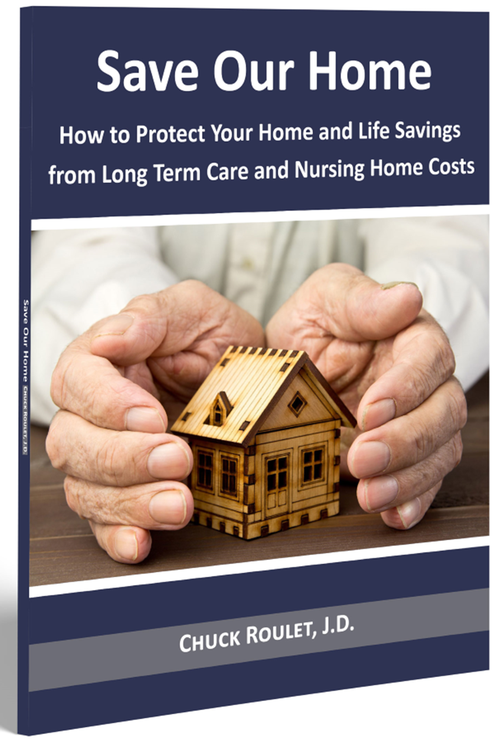
We have put together a free guide called "Save Our Home: How to Protect Your Home and Life Savings From Long-Term Care and Nursing Home Costs." It walks through exactly how families protect their assets from nursing home costs — including strategies most families never hear about until it is too late.
 Click here to download your free copy.
Download it, share it with your siblings, and share it with your parents tonight.
Free Online Masterclass
 If you want to go even deeper on strategies to protect your home and life savings, click here to register for our free online masterclass here.
Free Online Masterclass
 If you want to go even deeper on estate planning strategies — how to avoid probate, reduce taxes, and protect what you leave for your children — click here to register for our free online masterclass now.
Ready to Talk? Call Us Today.
If your parent has just been diagnosed with dementia and has no plan in place, the most important thing you can do right now is have a conversation with an experienced elder law attorney. There is no obligation and no pressure — just a clear picture of what is still possible for your family.
Florida Office (Sarasota, FL): 941-909-4644
Minnesota Office (Minnetonka, MN): 763-420-5087
Or fill out the contact form on this page and a member of our team will reach out to schedule your consultation.
Roulet Law Firm, P.A. | Licensed in Florida and Minnesota | Nearly 30 Years of Experience | Rouletlaw.com