Technically, yes. Florida does not require you to hire an attorney to prepare or record a deed. Lady Bird deed templates are available online, some for free and some for a small fee. And I understand the appeal — if the document is simple enough to fill out yourself, why pay an attorney?
Here is my honest answer: a DIY Lady Bird deed is one of the riskiest things you can do with a Florida property. Not because it always fails — but because when it fails, it fails quietly. And you will not find out until you are gone and your family is trying to sort things out.
What Can Go Wrong With a DIY Lady Bird Deed?
1. Incorrect Legal Description
Florida deeds must include the property's legal description — a specific technical description recorded in county property records that is distinct from the street address. A template that uses the wrong legal description, omits required language, or contains even minor errors may not effectively transfer the property. The deed could be challenged or rejected by the county.
2. Homestead Declaration Requirements
Florida's homestead laws are among the most complex in the country. A deed that does not properly address homestead status, or that inadvertently conflicts with Florida's constitutional homestead protections, may not work as intended. For married homeowners, failure to account for a spouse's constitutional interest can void the deed entirely.
3. The Spouse's Interest
As I have discussed in other articles this week: under Florida law, a spouse has a legal interest in homestead property regardless of whose name is on the deed. A Lady Bird deed signed by only one spouse, when the property is homestead property and both spouses are living, may not be legally effective. I handled a case where a woman needed to prepare an entirely new deed — signed by her new husband — even though they had a prenuptial agreement, before her home could be transferred into her trust.
4. The "Fails Quietly" Problem
This is the most dangerous aspect of a DIY deed. A badly drafted Lady Bird deed does not fail loudly. It does not get rejected immediately. It gets recorded, sits in the county's property records, and looks perfectly valid. The problem surfaces only when someone tries to use it — which is typically after you have passed away and your family is trying to transfer or sell the property.
By then, fixing the problem may require a court proceeding. And the cost of that proceeding — attorney's fees, court costs, delays — will almost certainly be many times what an attorney would have charged to draft the deed correctly in the first place.
5. It Only Solves One Problem
Even a perfectly drafted Lady Bird deed only addresses probate and post-death Medicaid recovery. It does not protect your home during your lifetime if you need nursing home care. It does not provide asset protection for your children if they inherit during a divorce. It does not cover property you own in other states. A DIY deed will not tell you any of this — and a conversation with an elder law attorney will.
|
THE REAL COST COMPARISON The appeal of a DIY deed is the upfront cost savings. But families who end up in court fixing a defective deed — or untangling a property dispute that a properly drafted trust would have prevented — routinely spend many multiples of what professional estate planning would have cost. The question is not what you pay now. It is what your family will pay later. |
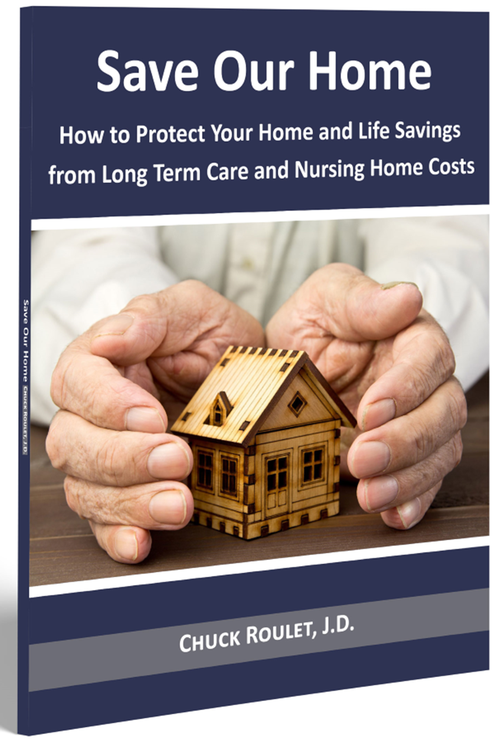
If you would like to understand all of your options for protecting your Florida home, download the free Save Our Home Guide by clicking here.
Call us today at (941) 909-4644 to schedule a consultation to discuss your planning, or you can fill out the contact form on this page and a member of our team will reach out to you.